Field Snapshot: Diagnosing a Recurring Quick Connector Leak Dusty Environment Scenario
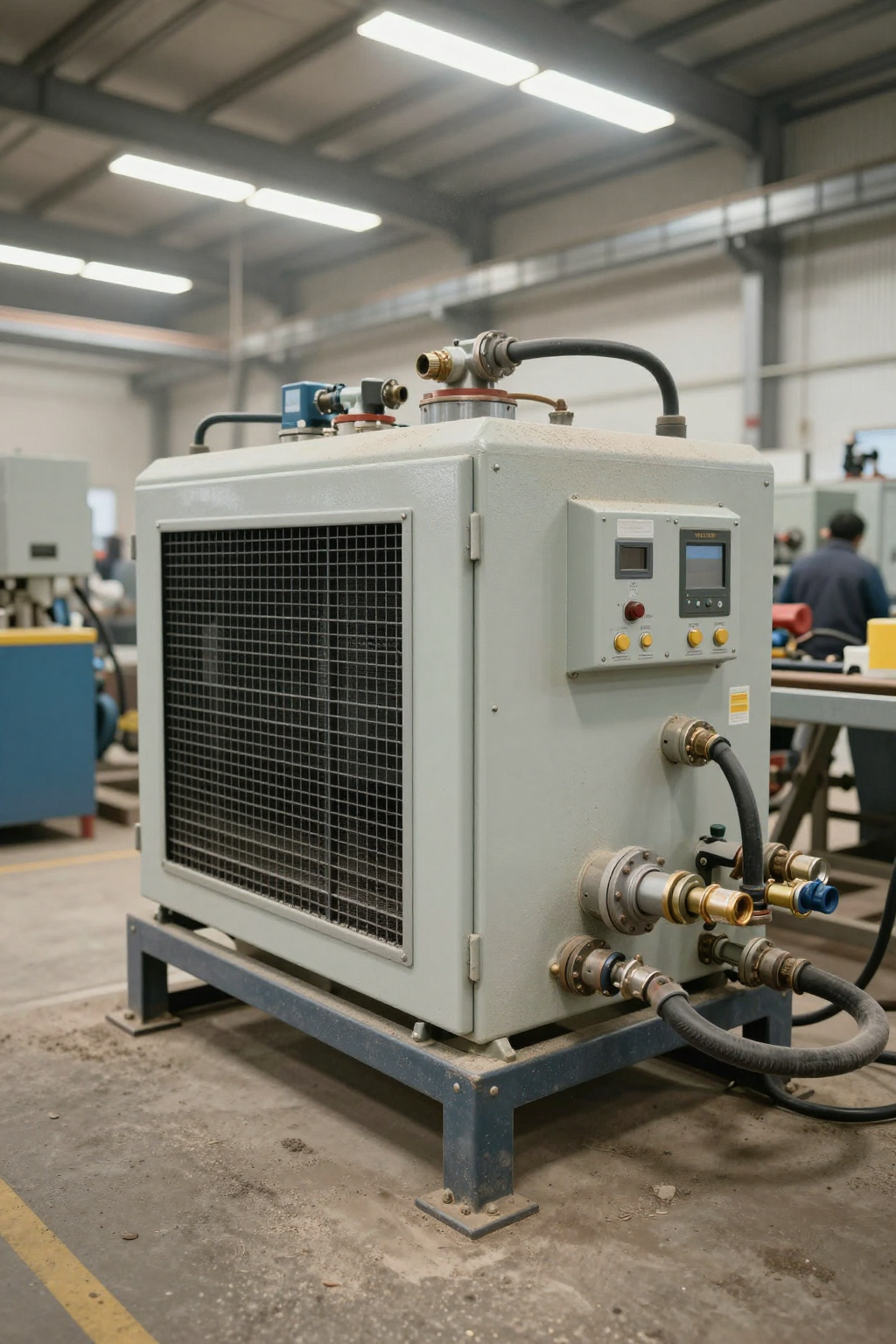
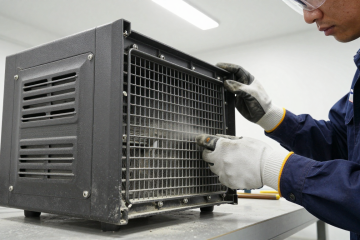
We were on-site at a processing facility where a critical control cabinet, cooled by an external liquid-to-air unit, kept flagging intermittent coolant pressure drops. The system used standard quick-connect couplings for serviceability, but these connectors were failing at an unsustainable rate. The environment was the primary suspect: high levels of airborne particulates from raw material processing. Each time a technician disconnected the unit for maintenance, microscopic grit had an opportunity to invade the coupling. The result was a slow, progressive leak that started small but eventually triggered a system shutdown. This post documents the diagnostic process we followed and the decision gates that led to a permanent solution for this persistent quick connector leak dusty environment problem. By the end, you’ll have a framework for deciding when standard connectors are no longer viable and what to consider for a more resilient alternative.
First Checks: Initial Triage Notebook
Before jumping to conclusions about connector design, we ran through the basics. In any fluid system, it’s crucial to rule out simple installation or component issues first. These were our initial checks on the leaking system.
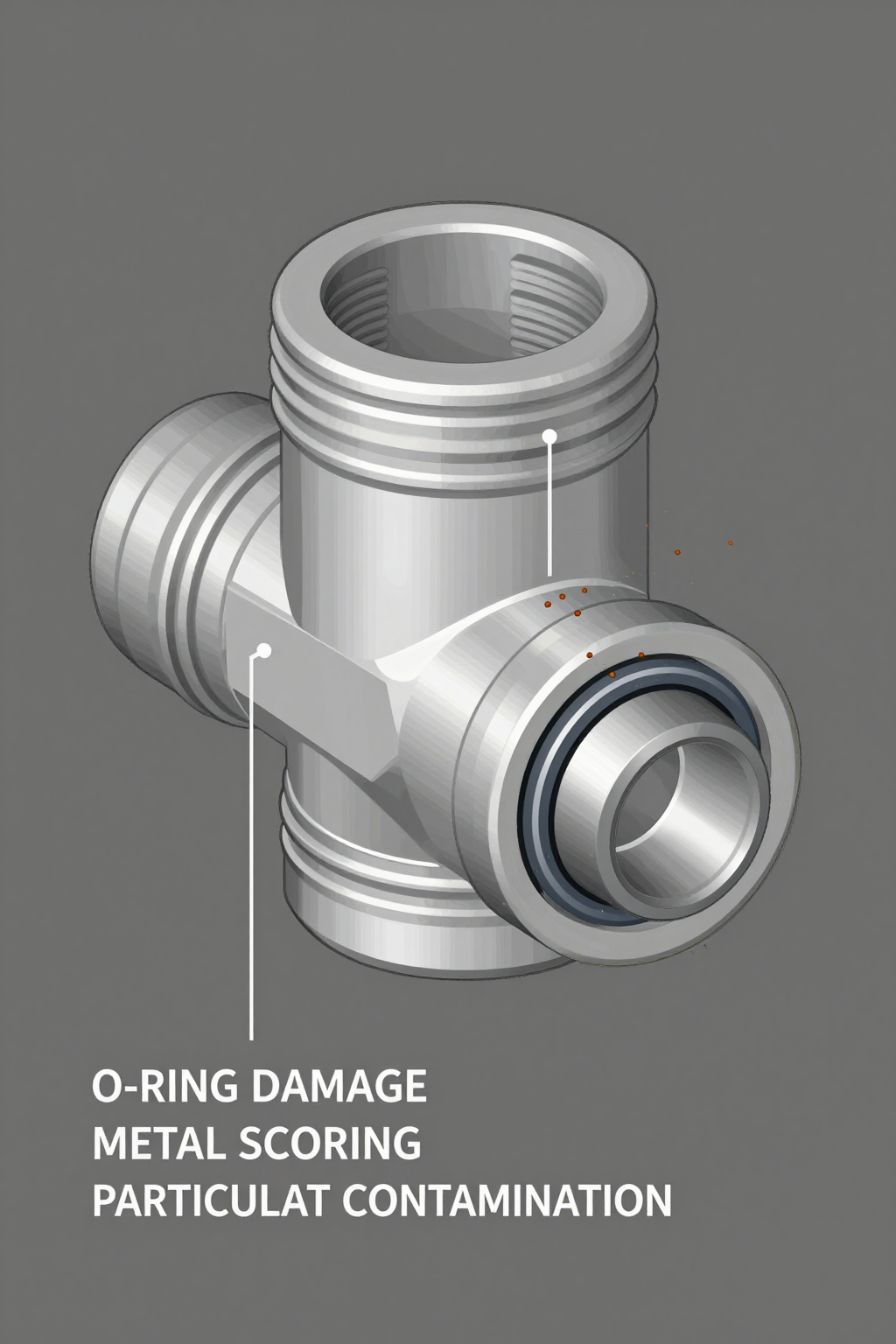
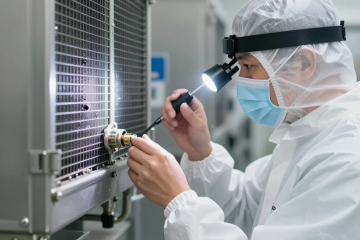
- Check: Visual inspection of the O-rings on a failed connector.
Why: We were looking for obvious nicks, cuts, or flattening (compression set).
What it suggests: We found fine scratches and embedded grit on the primary O-ring. This pointed directly to particulate contamination as the root cause of the seal failure, rather than a chemical incompatibility or a bad batch of seals. - Check: Mating and de-mating the connector multiple times.
Why: To feel for any binding, grinding, or inconsistent locking force. A healthy connector should be smooth.
What it suggests: The action felt gritty. This confirmed that contaminants weren’t just on the surface but were getting into the internal locking mechanism and seal glands, accelerating wear with every single use. - Check: Review of the maintenance team’s standard operating procedure (SOP).
Why: To see if protective caps were used and if cleaning protocols were in place before connection.
What it suggests: The SOP required caps, but they were often lost or the caps themselves were contaminated. There was no effective protocol for cleaning the connector internals before mating, making the problem worse. This indicated a procedural and a design problem.
Common Failure Modes & Constraints for Industrial Couplings
When you see a recurring quick connector leak dusty environment issue, it’s rarely a single catastrophic event. It’s a progressive failure. Understanding these modes helps explain why simple fixes like replacing an O-ring are only temporary.
- Symptom: Slow, weeping leak that worsens after a service cycle.
Likely Cause: Particulate abrasion. Dust and grit act like fine-grit sandpaper on the O-ring every time the connector is used, creating micro-scratches that become leak paths. - Symptom: The connector feels stiff or fails to fully lock.
Likely Cause: Internal contamination of the locking mechanism. This not only prevents a secure connection but can also misalign the sealing surfaces, putting uneven pressure on the O-ring. - Symptom: Leaks appear even with a brand-new O-ring.
Likely Cause: Scratched or scored sealing surfaces on the metal components of the connector itself. Once the metal is damaged, no new seal can compensate for the imperfection. - Symptom: Coolant appears discolored or contains sediment.
Likely Cause: System-wide contamination. The grit introduced at the connector is now circulating through the entire cooling loop, potentially damaging pumps and cold plates. - Symptom: Increased maintenance tickets for the same asset.
Likely Cause: Treating the symptom (the leak) instead of the root cause (the connector’s unsuitability for the environment). This leads to a costly cycle of reactive maintenance. - Symptom: Corrosion around the connector interface.
Likely Cause: Moisture ingress. Dust can attract and hold moisture, creating a corrosive poultice at the connector seam, which can degrade both the seals and the connector body over time.
Decision Gates for Upgrading Connectors
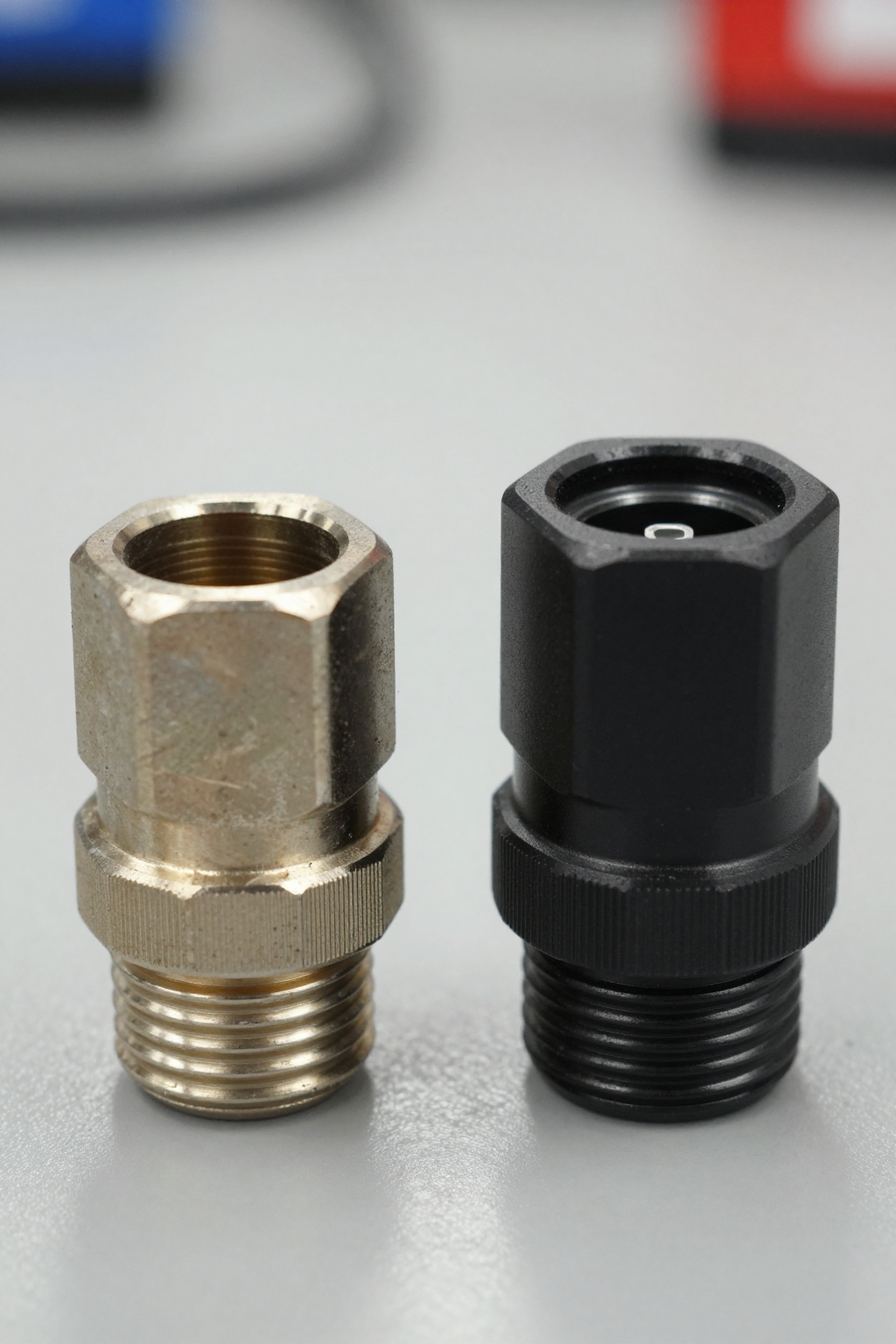
At a certain point, you have to stop fixing the old solution and specify a new one. These are the engineering decision gates that force the conversation away from “which O-ring?” to “which connector technology?”
Gate 1: Environmental Control
- Constraint: The operational environment has high levels of airborne particulates that cannot be easily mitigated at the source.
- Decision Trigger: If you cannot make the environment cleaner, you must make the hardware more resilient. When procedural controls like “always clean before connecting” consistently fail in practice, a design change is required.
- Engineering Resolution: Move from open-face quick connectors to a design with a sealed interface. Connectors that have minimal exposure of their sealing surfaces during disconnection and reconnection are often a better fit.
- Integration Trade-off: Sealed connectors typically have a higher initial acquisition cost. However, this must be weighed against the high operational cost of downtime, coolant loss, and repeated maintenance associated with failing standard connectors.
Gate 2: Uptime and Criticality
- Constraint: The cooled system is critical. Unscheduled downtime results in significant production loss or safety risks.
- Decision Trigger: The total cost of a single shutdown event due to a connector leak exceeds the cost of upgrading the connection hardware across all similar assets.
- Engineering Resolution: Specify a connector technology with a documented lower failure rate in contaminated environments. This often means looking for features like self-sealing valve technology that protects internal components even when disconnected.
- Integration Trade-off: Compared to hard-piping, a robust connector maintains serviceability. Compared to standard threaded fittings, it’s much faster, reducing maintenance time. The trade-off is moving from a commodity component to a specified, performance-oriented one.
Gate 3: Maintenance Skill and Consistency
- Constraint: Maintenance is performed by various technicians with differing levels of training and attention to detail.
- Decision Trigger: Analysis shows that leaks correlate with maintenance shifts, indicating that procedural adherence (like cleaning connectors) is inconsistent.
- Engineering Resolution: Implement a connector that is less dependent on technician skill. A design that physically blocks contaminants from reaching the seals is inherently more reliable than one that relies on a human to clean it perfectly every time.
- Integration Trade-off: This approach requires an initial investment in training for the new hardware, but it reduces the long-term risk of human error-induced failures.
Integration Notes for Sealed Connector Systems
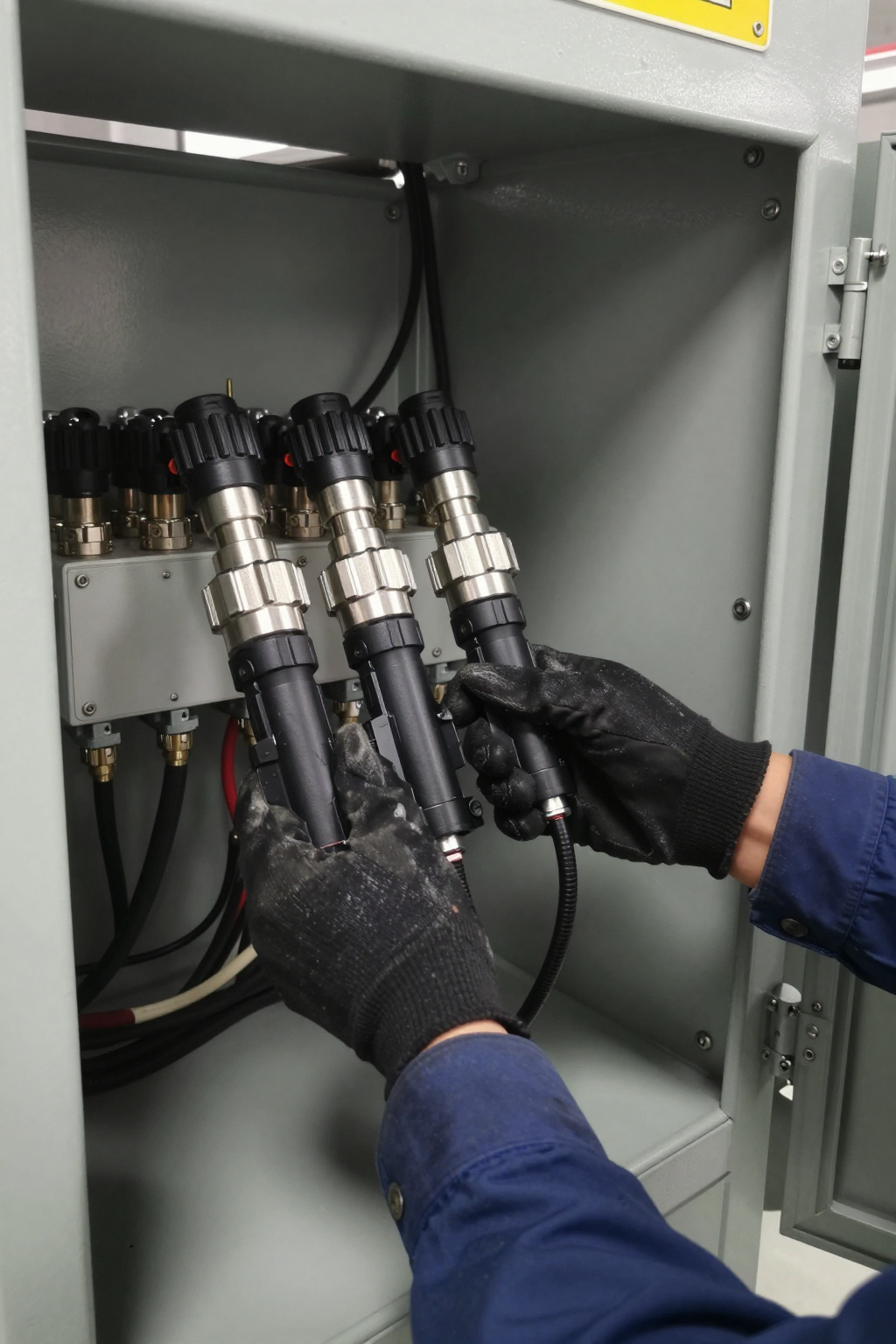
Switching to a more robust connector isn’t just a component swap. It requires a holistic look at the integration to maximize reliability.
- Mechanical: Ensure proper strain relief on all hoses. A heavy hose putting lateral or torsional load on a connector can cause premature wear, regardless of its design. Use brackets and supports to isolate the connector from vibration and hose weight.
- Electrical: This is a fluid system, but check for grounding. In some environments, static discharge can be an issue, and proper system grounding is a general best practice to protect sensitive electronics in the control cabinet.
- Thermal: The connector itself is a minor part of the thermal loop, but its reliability is paramount. Ensure its material composition is compatible with the full operating temperature range and isn’t located where it could be damaged by external heat sources.
- Maintenance: While a sealed connector is more robust, it’s not invincible. The new maintenance SOP should still include a visual inspection and a wipe-down of the connector’s exterior before use. The key difference is that the internal sealing surfaces are now protected. The goal is to make the process simpler and less error-prone.
Frequently Asked Questions (FAQ)
Why can’t we just replace the O-rings more frequently?
This is a temporary fix that treats the symptom. If the metal sealing surfaces inside the connector are scratched by grit, a new O-ring will fail just as quickly. You’re fixing the seal but ignoring the cause of the damage.
Are sealed connectors a drop-in replacement?
Mechanically, they often can be if you match the port thread sizes. However, as noted above, a successful deployment involves updating maintenance procedures and considering factors like strain relief to get the full reliability benefit.
What is the main cause of a quick connector leak dusty environment scenario?
The primary cause is particulate contamination entering the coupling during connect/disconnect cycles. This grit abrades the soft seals and, eventually, the harder metal sealing surfaces, creating a permanent leak path.
How do threaded fittings compare?
Threaded fittings can provide a very secure seal, but they are slow to use and are still highly susceptible to contamination of the threads and sealing surfaces during installation in a dusty area. They don’t solve the core problem of environmental contamination during service.
Is there a risk of the new connector getting clogged?
High-quality sealed connectors are designed with this in mind. The sealing happens at a different point from the main flow path, and the valve mechanisms are typically robust. The risk is significantly lower than the near-certainty of seal failure in an unprotected standard connector.
What if the leak is from vibration, not dust?
Vibration is another common failure mode, causing fretting and wear. A robust, securely locking connector can help, but the ultimate solution is to use proper hose supports and strain relief to isolate the connector from the source of the vibration.
Conclusion: Matching the Connector to the Field Reality
For applications in clean environments with infrequent disconnection cycles, standard quick connectors are often adequate. However, in environments where dust, dirt, or moisture are constant operational realities, they become a significant liability. The recurring costs of downtime, coolant replacement, and maintenance labor quickly overwhelm their low initial price.
The key takeaway from this field experience is that when procedural controls for cleanliness consistently fail, an engineered control is the next logical step. A connector designed to inherently resist environmental contamination is a more reliable and, in the long run, more cost-effective solution for critical systems. When uptime is essential and the environment is challenging, investing in a sealed connector system is a sound engineering decision.
If you’re facing similar challenges with connector reliability, explore the specifications for systems designed for these conditions. For more details on the sealed connector technology used in our systems, see the AlphaCooler series.
0 条评论