We were on-site with an integrator deploying a series of remote 48V telecom cabinets. The core constraint was power. The site had a tight surplus power budget, and adding a DC-to-AC inverter for conventional air conditioning was out of the question due to efficiency losses, cost, and the introduction of another failure point. The challenge was to add active cooling to maintain stable temperatures for sensitive electronics during peak solar gain and high network traffic, all without compromising the battery backup runtime or tripping existing breakers. This field note outlines the decision process for sizing a solution within a constrained 48V telecom cabinet cooling power budget.
Field Snapshot: Sizing Within a 48V Telecom Cabinet Cooling Power Budget
The scenario is common: a sealed outdoor enclosure with sensitive radio and networking gear running on a nominal 48V DC bus. The system is battery-backed, and every watt counts. Adding a cooling load directly impacts the site’s autonomy during a power outage. The engineering goal is to select an active cooling method that provides sufficient thermal headroom while drawing minimal power directly from the DC source. By the end of this note, you’ll have a clear framework for evaluating if a miniature DC compressor fits your design constraints.
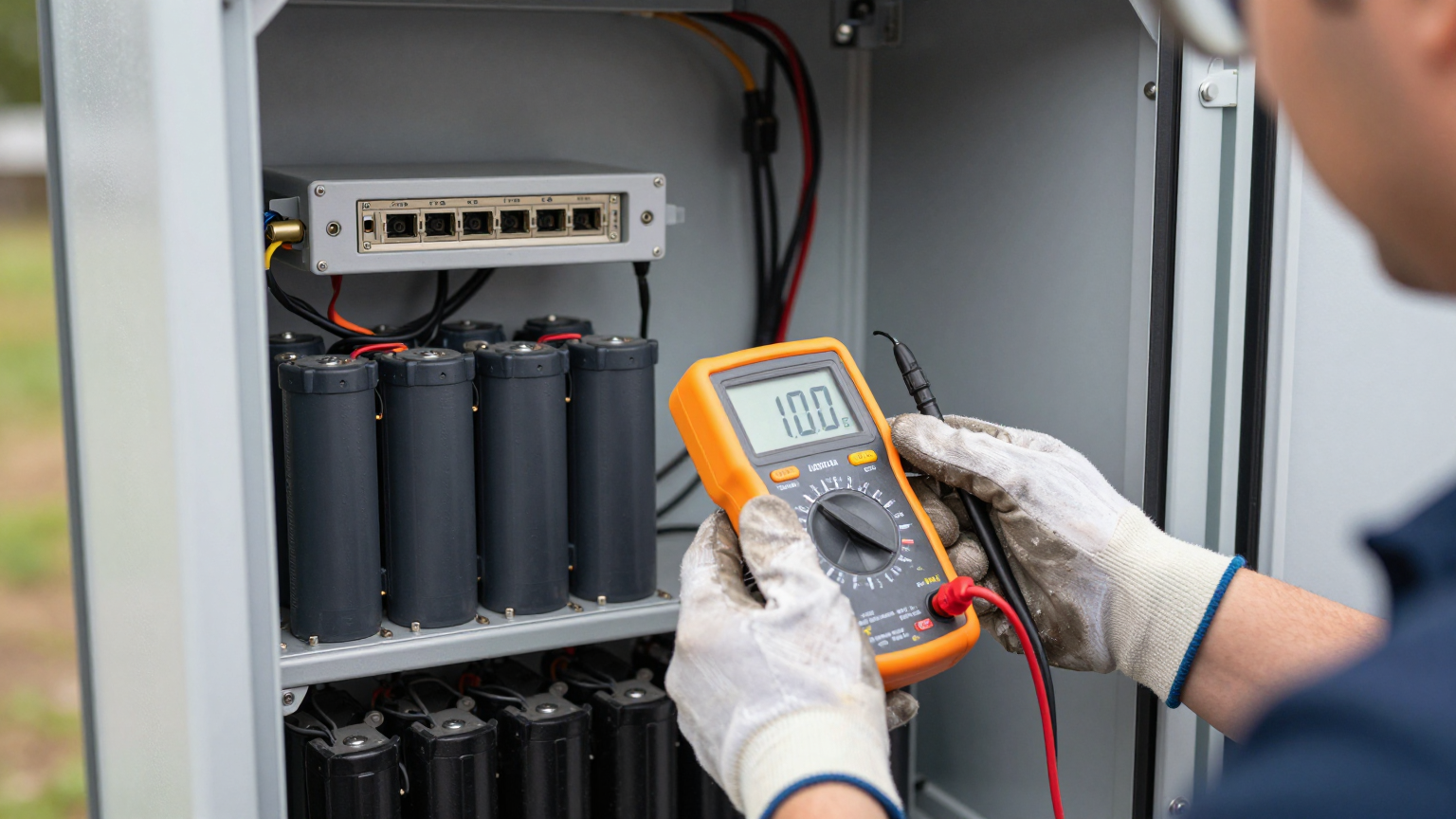
First Checks from the Field Notebook
Before specifying any hardware, we start with a few fundamental checks that often get overlooked when relying solely on datasheets.
- Check: True Surplus Power. We measure the actual current draw at the DC bus during peak load, not just the nameplate values of the installed equipment. Why? Line losses, equipment aging, and concurrent operations can create a different power profile. What it suggests: This measurement defines the absolute ceiling for your cooling system’s power consumption.
- Check: Peak vs. Average Thermal Load. We model the thermal load during the hottest part of the day, with the equipment running at its highest capacity. Why? Sizing for the average load will lead to thermal throttling when the system is needed most. What it suggests: cooling capacity should be sized to worst-case peak load with headroom; validate against site power margin.
- Check: DC Voltage Stability. We verify the operating voltage range at the power terminals. A nominal 48V system can fluctuate significantly, often from 42VDC during battery discharge to over 56VDC during charging. Why? The cooling unit’s driver and electronics must operate reliably across this entire range. What it suggests: A wide-input voltage range (e.g., design for the full battery-float to discharge swing of a nominal 48V plant) is a critical spec for direct-connect DC equipment.
Common Failure Modes & Constraints
When working with a tight 48V telecom cabinet cooling power budget, several common failure modes can emerge if the cooling system isn’t sized correctly.
- Symptom: Breaker trips on startup. Likely Cause: High inrush current from a fixed-speed motor. Why it matters: This can destabilize the power bus, affecting other critical equipment and causing nuisance trips that require a site visit.
- Symptom: Noticeably reduced battery backup runtime. Likely Cause: A cooling unit with a high, continuous power draw. Why it matters: It compromises site resilience and can violate service level agreements for uptime during grid outages.
- Symptom: Network equipment thermally throttles in the afternoon. Likely Cause: An undersized cooling solution (like a fan or thermoelectric cooler) that cannot remove heat faster than it’s being generated by solar gain and electronics. Why it matters: Degraded network performance and a shortened lifespan for expensive hardware.
- Symptom: The cooling unit itself fails prematurely. Likely Cause: A thermoelectric (Peltier) cooler operating at a high temperature differential (ΔT), where its efficiency drops significantly. Why it matters: This leads to high operational costs from constant replacement cycles and poor performance.
- Symptom: Unexplained power system faults. Likely Cause: A DC-AC inverter added to power a conventional AC unit. Why it matters: Inverters introduce a new point of failure and create 10-15% energy loss, further straining the power budget.
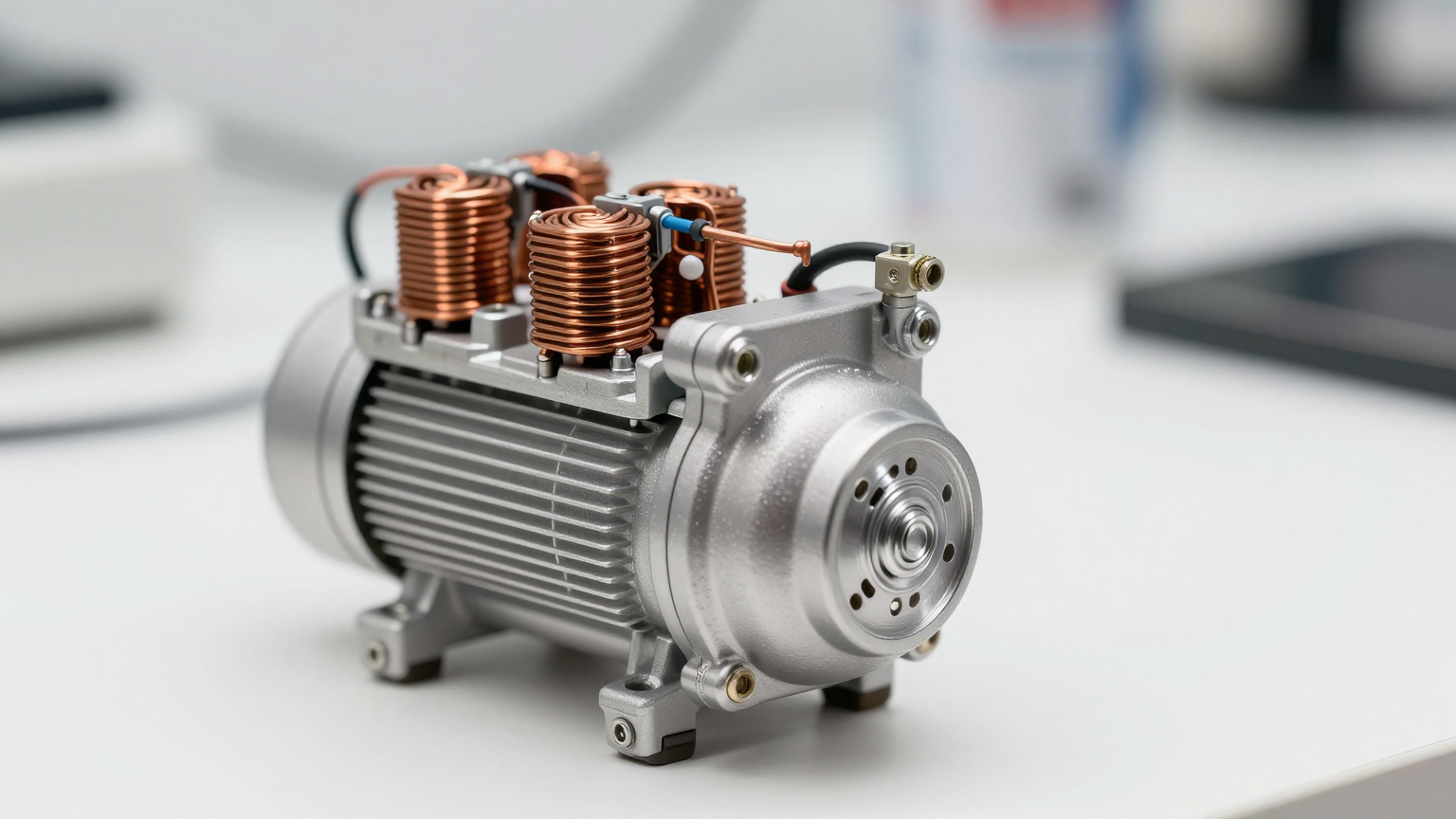
Decision Gates for Sizing Active Cooling
Based on the initial checks and potential failure modes, we use a series of decision gates to determine the right technology.
Gate 1: The Power Constraint
- Constraint: The available surplus power is strictly limited, often below 500W.
- Decision Trigger: The power budget is insufficient for a traditional AC unit, even with an inverter.
- Engineering Resolution: Employ a variable-speed miniature DC compressor. These systems can modulate their power draw to match the real-time heat load, with typical consumption ranging from 150W to 450W.
- Integration Trade-off: The upfront component cost is higher than a simple fan or Peltier cooler, but it eliminates the cost, complexity, and efficiency penalty of an inverter, leading to a lower total cost of ownership.
Gate 2: The Thermal Stability Constraint
- Constraint: Internal cabinet temperatures must remain below the operational threshold of sensitive electronics (e.g., 50°C) at all times.
- Decision Trigger: Analysis shows that passive cooling, fans, or air-to-air heat exchangers cannot maintain the target temperature during peak solar gain.
- Engineering Resolution: Implement an active, refrigerant-based cooling loop. A miniature vapor-compression system provides a much higher cooling capacity (e.g., 400W to 850W) at a given power input compared to thermoelectric alternatives.
- Integration Trade-off: This approach requires more mechanical integration, including routing refrigerant lines and mounting a condenser and evaporator, compared to a simple bolt-on thermoelectric unit.
Gate 3: The Native Voltage Constraint
- Constraint: The solution must run directly from the site’s 48V DC bus for maximum efficiency and reliability.
- Decision Trigger: The project goals prohibit adding an inverter.
- Engineering Resolution: Select a compressor and driver board specifically designed for a wide DC voltage input. This ensures stable operation whether the system is running on chargers or discharging batteries.
- Integration Trade-off: This requires sourcing a matched set of components (compressor and driver) rather than using commodity parts, which demands closer coordination with the component supplier.
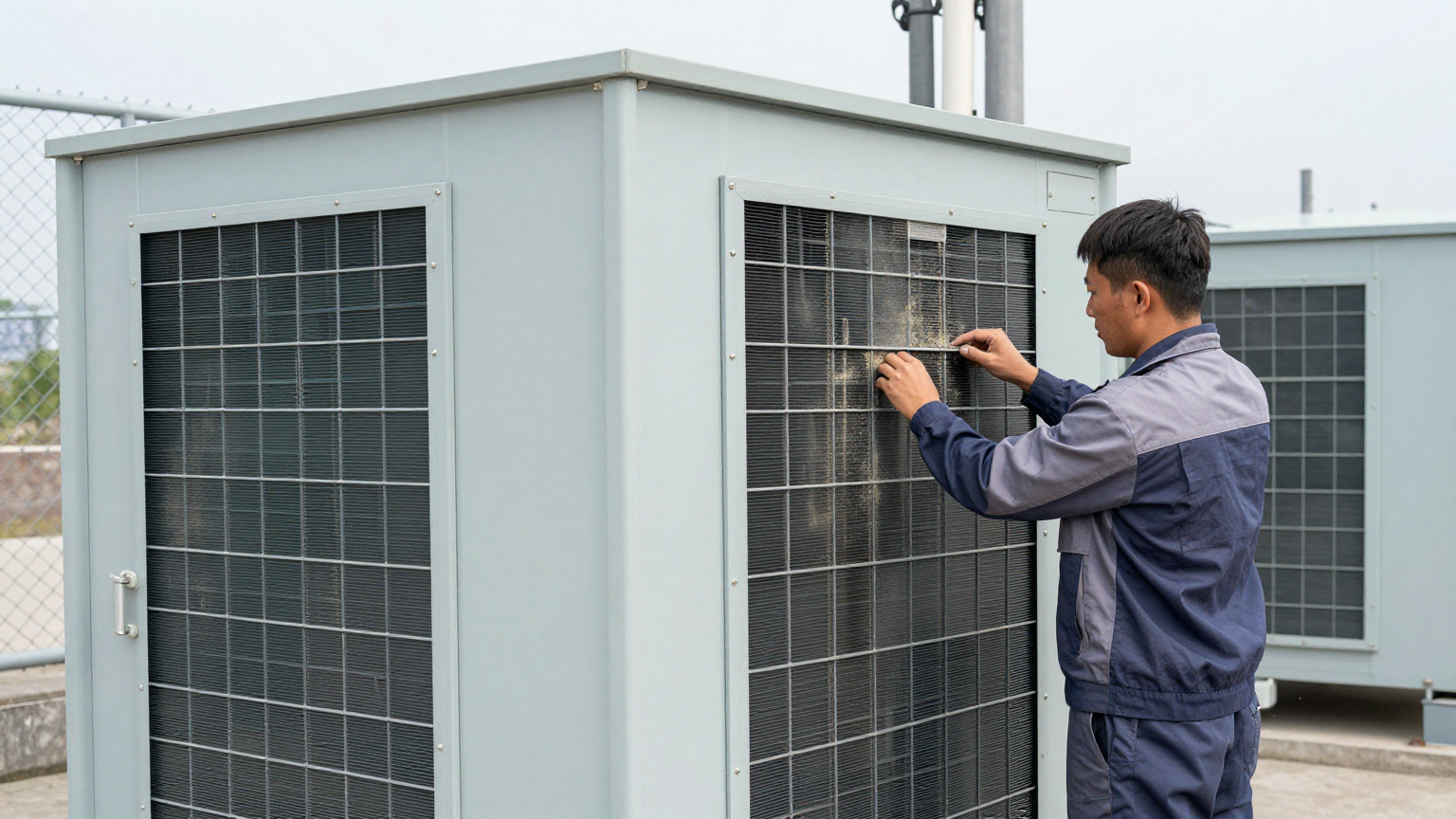
Integration Notes: Beyond the Datasheet
Once the decision is made, successful integration depends on details not always found on the main spec sheet.
- Mechanical: Use rubber grommets or other vibration dampeners when mounting the compressor to the chassis to prevent noise and micro-vibrations from affecting other components. Adhere to the specified mounting orientation to ensure proper oil circulation within the compressor.
- Electrical: A key benefit of a variable-speed drive is its inherent soft-start capability, which manages inrush current and is essential for a tight 48V telecom cabinet cooling power budget. Use shielded cables for PWM or serial control signals to prevent EMI from interfering with sensitive telecom equipment.
- Thermal: Ensure the condenser has access to sufficient ambient airflow; recessing it or blocking vents will cripple performance. Insulate the evaporator and suction line properly to prevent condensation inside the cabinet and maximize cooling efficiency.
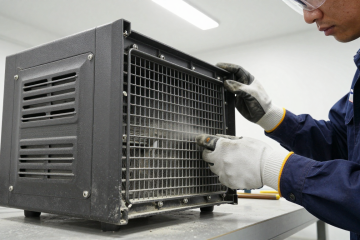
- Maintenance: While the refrigerant loop is a closed system, the condenser fins are susceptible to clogging from dust and debris. Design for tool-less access to the condenser for periodic cleaning to maintain heat transfer efficiency.
Frequently Asked Questions (FAQ)
How do I manage inrush current with a tight 48V telecom cabinet cooling power budget?
The most effective method is to use a variable-speed compressor with a smart driver board. The driver implements a soft-start routine, gradually ramping up the motor speed and keeping the initial current draw low and predictable.
Is a DC compressor significantly more efficient than a Peltier cooler?
In most telecom applications with a significant difference between internal and ambient temperatures, a DC compressor system is far more efficient. Its coefficient of performance (COP) is typically much higher, meaning it moves more heat per watt of energy consumed.
Can this type of compressor run directly from my 48V battery bank during an outage?
Yes. These systems are designed for the typical voltage range of a nominal 48V DC system, including the lower voltage seen when operating from battery backup.
What is a realistic power draw I should budget for?
It is load-dependent. While the peak draw might be around 450W, the variable-speed nature means it will often run at a much lower power level (e.g., 150-250W) once the cabinet reaches its target temperature, saving considerable energy.
Does this require a separate, specialized power supply?
No, it is designed to connect directly to the facility’s 48V DC bus, which is its primary advantage in these applications.
How does variable speed help the power budget?
Instead of the all-or-nothing power draw of a fixed-speed unit, a variable-speed compressor only uses the energy required to handle the immediate heat load. This drastically reduces the average power consumption over a 24-hour period.
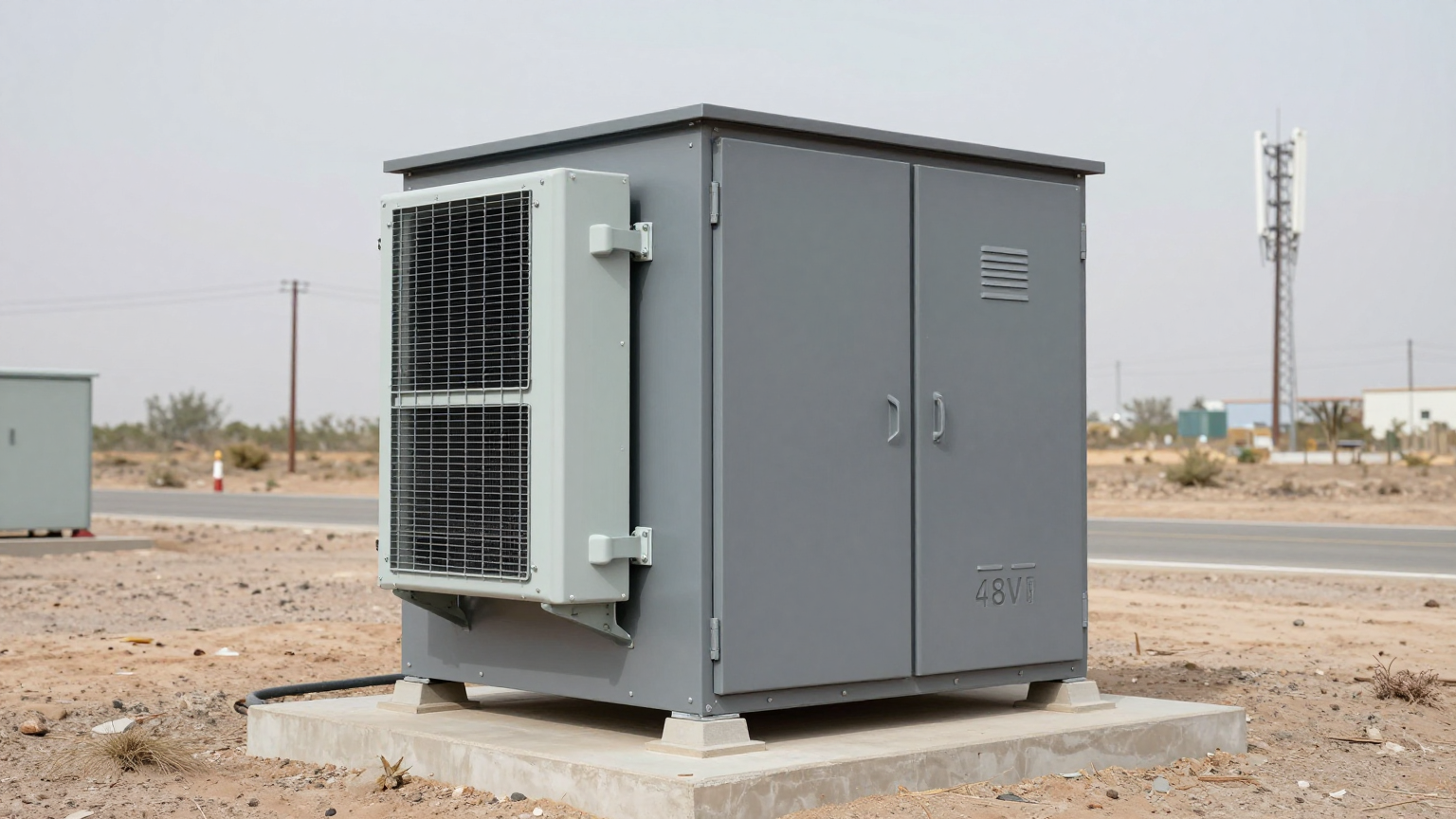
Conclusion: The Right Fit for the Right Constraints
For telecom cabinets with a native 48V DC bus, high thermal loads, and a restrictive power budget, a direct-DC, variable-speed cooling approach presents a robust solution. It directly addresses the primary constraints by eliminating the need for an inefficient inverter, managing inrush current, and minimizing the impact on battery backup systems. While it may not be the simplest solution, it is often the most effective when fans or thermoelectric coolers cannot provide the required thermal stability under peak load.
For engineers evaluating these trade-offs, reviewing the specifications for miniature DC compressor technology can provide a concrete baseline for system design and power budget calculations.
0 条评论